
Leadership
December 1, 2025
Sheep and Shepherds

# AI
# Culture
# Building Team Culture
# Leadership
What It Means to Follow and Lead

Michael Woodley
There’s no shortage of noise about leadership today—especially as companies chase the AI frontier. But as the technical dominates the conversation, the socio-technical—the inseparable system of people, processes, and technology that makes organizations work—goes largely ignored. Believe me: as an engineer, we are experts at leaning into the technical while neglecting the social. 🤓
When the social is neglected, the organization may hum mechanically yet lose its humanity. The dashboards light up, the models run, the pipelines fill—but purpose and participation fade. And when that happens, most companies act more like sheep than shepherds: efficient, compliant, and collectively lost.
The Nature of Following
Following isn’t inherently weak. In healthy systems, followers enable collective intelligence. They trust direction, act with agency, and contribute their perspective. But in pathological or bureaucratic cultures, following becomes compliance. The flock moves in unison not because they share a vision but because fear, incentives, or habit suppress their voice.
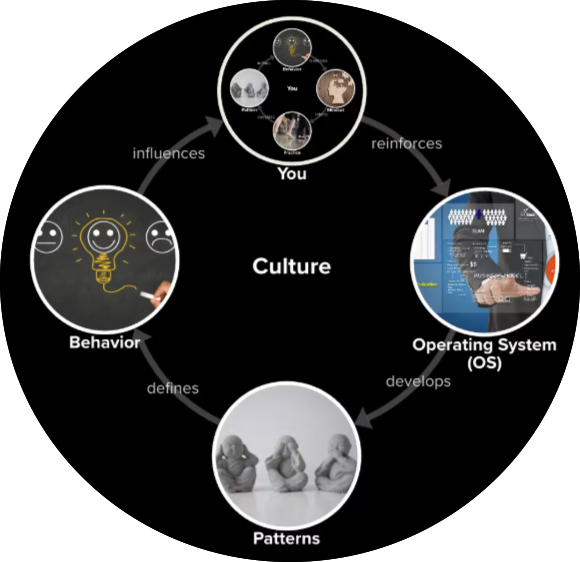
This is the Culture Loop in action—where written and unwritten rules shape patterns of behavior that reinforce themselves. When leaders don’t name or disrupt these patterns, followers adapt to survive rather than thrive.
The Shepherd’s Role
A shepherd’s authority doesn’t come from dominance—it comes from service. They know their flock. They guide through care, not control. They understand that their role is not to push from behind but to call forward with trust.
Servant leadership is not soft leadership. It is active stewardship of both value and virtue, ensuring that every action aligns with a purpose larger than ego or quarterly performance. The shepherd leads the system, not just the people within it.
Anti-Patterns of the Flock
Most organizations are stuck in one or more of these loops:
- Safety through sameness: Hiring and promoting people who think alike. It feels efficient but kills adaptability.
- Deference to authority: Mistaking compliance for alignment. Decisions become bottlenecks, and innovation stalls.
- Technical heroism: Overvaluing technical solutions to socio-technical problems. AI becomes another “silver bullet” detached from culture.
- Performance worship: Measuring outputs without reflection on behaviors or patterns. It rewards motion over meaning.
These anti-patterns create cultures that follow trends, not truth. They are efficient at replicating what was but incapable of creating what could be.
Shifts Shepherds Must Make
To lead in the age of AI—and beyond—requires a new kind of shepherd:
- From control to care: Build psychological safety that enables followers to become co-creators.
- From knowing to learning: Admit uncertainty and engage the flock in shared sense-making.
- From technical to socio-technical: Recognize that every algorithm amplifies the culture that built it.
- From power to purpose: Lead from conviction, not compliance; align the organization with a moral compass.
- From fear to faith: Trust that transparency and humility strengthen, not weaken, authority.
These shifts re-orient the organization from reaction to reflection, from compliance to curiosity, from sheep to shepherds.
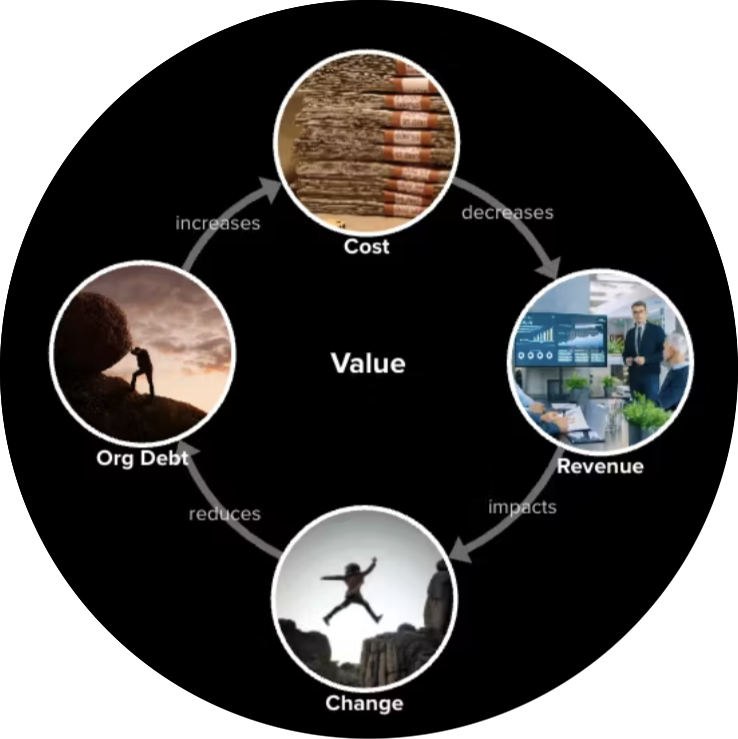
These shifts aren’t philosophical; they are economic. When shepherds replace control with care, psychological safety rises, collaboration deepens, and decisions accelerate. When leaders embrace learning over knowing, they surface insights faster and reduce organizational debt — the silent tax that erodes value. The Value Loop is engaged when culture feeds adaptability: cost drops, revenue rises, and the organization renews its ability to change.
The GROWTH Loop Response
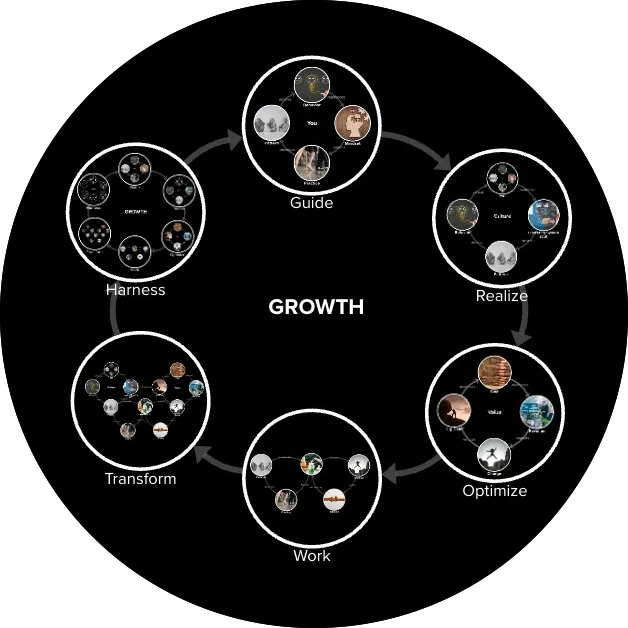
In GoodCo’s GROWTH Loop, this transformation begins in the You Loop—the mindset of the shepherd—and expands through the Culture Loop that shapes collective behavior. When tension builds between how we lead and how we live, the Experiment Loop provides the mechanism to test new patterns safely. Over time, the system learns to lead itself.
Take one partner in advanced manufacturing. They had all the right technology and an AI roadmap full of promise, but their people had stopped raising concerns. Decisions were made by the few, carried out by the many, and justified by performance dashboards that rewarded compliance. The company was full of followers—brilliant ones—but no shepherds.
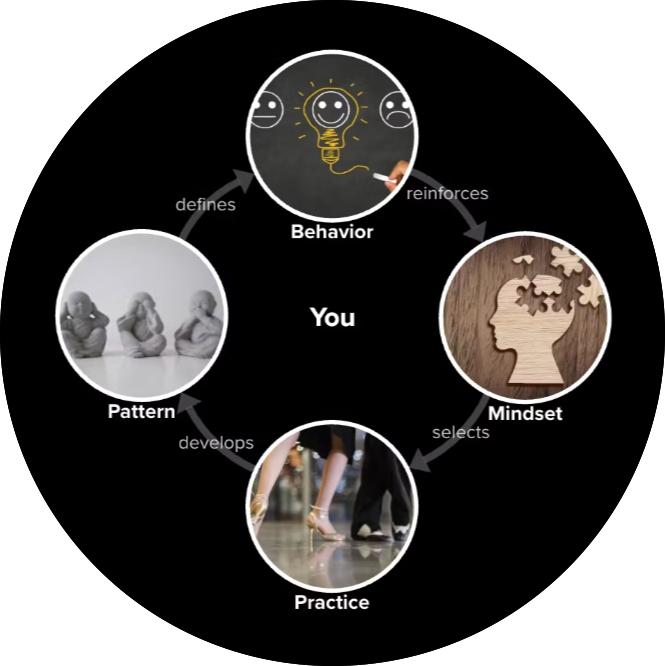
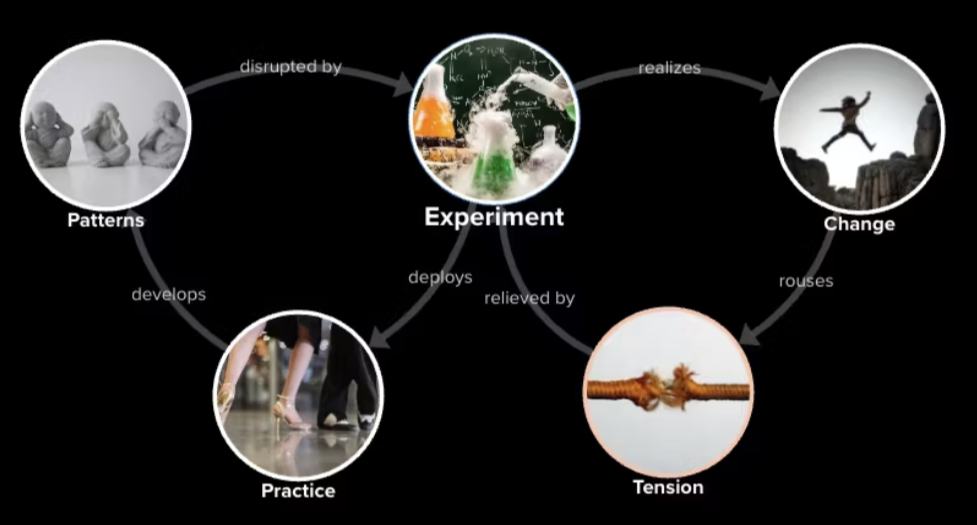
Using the GROWTH Loop, we began with the You Loop: helping leaders name the mindsets that drove control over care. Through Culture Loop reflection, they surfaced the unwritten rules that equated dissent with disloyalty. Then, small Experiments—like shared retrospectives and decision reviews—helped develop new patterns of transparency and trust. Within weeks, teams were solving socio-technical problems together rather than treating technology as the savior.
Within six months, time to decision fell by 30%, rework costs dropped, and morale improved. The value loop closed: culture enabled change, and change produced measurable returns.
Leading for Value
Most companies today are racing to follow—markets, technologies, even each other. But leadership isn’t about being first; it’s about being faithful—to your people, your purpose, and your principles.
Good shepherds don’t just build better cultures — they build better companies. When the flock trusts the direction, organizational debt falls, innovation flows, and value compounds.
The world doesn’t need more sheep chasing the next big thing. It needs shepherds who see the whole system and lead it toward good.
Comments (0)
Popular

Dive in
Related
Video
Building and Scaling Diverse and Inclusive Teams by Pooja Brown
By Pooja Brown • Nov 2nd, 2020 • Views 865
Video
Building and Scaling Diverse and Inclusive Teams by Pooja Brown
By Pooja Brown • Nov 2nd, 2020 • Views 865