Unlocking Empowered, Self-Sufficient Teams: A Deep Dive into 'First Team' Strategies
Posted Jan 30, 2024 | Views 1.2K
Share
Speaker
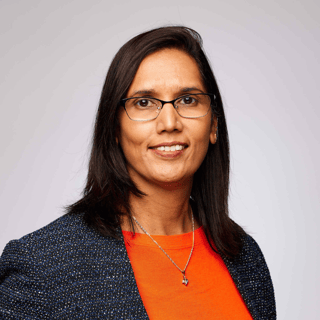
Monica Bajaj
CTO & SVP @ Okta
Monica Bajaj is an accomplished technology executive with over two decades of experience building high-impact products and scaling global engineering organizations. Currently the SVP of Auth0 Engineering at Okta, she leads the development of a developer-first, secure identity platform that handles billions of monthly logins. A strategic leader in AI and Security, Monica previously held engineering leadership roles at NetApp, Cisco, and Workday, driving enterprise-grade excellence and operational efficiency.
Beyond her corporate role, Monica is a respected advisor and thought leader, serving on boards including SheTO and the Berkeley SkyDeck Advisory Board. An alumna of IIT Mumbai and SGSITS Indore, she is a frequent speaker on product-led growth and a dedicated STEM advocate, focused on cultivating the next generation of technical leaders.
+ View details
Summary
In this episode, we are deconstructing the “first team approach” with Monica Bajaj, VPE @ Okta. We cover how to apply “first team" across your org, within different team functions (including architecture, quality, security, etc.) and across all levels. She also shares real-life examples from her experience with “first teams” in scenarios like onboarding new teams after M&As, developing new products, and more. Monica provides tactical steps for implementing the first team concept within your org & why it encourages bottoms-up initiatives / self sufficient teams.
Monica is currently VP of Engineering at Okta where she leads the Developer Experience portfolio for Customer Identity Cloud (CIAM). She is responsible for building a frictionless developer experience for Consumer and SaaS Apps thus securing billions of logins every month. Her expertise spans technology, operations, global expansion, and product launch in areas such as Consumer/Enterprise, Infrastructure, Business Intelligence, DevOps, and Security. She has taken products into the global market by launching localization and globalization programs delivering multi-million dollar growth.
Previously she has held senior engineering leadership positions at Workday, Perforce, Network Appliance, and UKG. She holds a Masters in Computer Science from IIT Mumbai. Monica is an active supporter of diversity in STEM, has launched several Women in Technology initiatives, and is now an exec sponsor for Women at Okta. When not obsessing over technology, she can be found spending time with Boy Scouts, enjoying hiking, and supporting the cause of mentorship and uplifting women and young girls.
"The first team concept was launched at my level and then I went through this journey and I realized like, 'Oh, this is very powerful.' First, it was confusing that I need to put my team aside and take my peers as my first priority, but then I became more curious and then I was intrigued by the results and I'm like, 'Oh, this is so powerful. I need to put this in my own organization.' So I started with my directs like, 'Hey, we have studied about this. We did a whole session and walk them through some real examples. That's where it was like, 'Oh, we need to implement this and see it.'”
incident.io(opens in a new tab) is trusted by hundreds of tech-led companies across the globe, including Etsy, monday.com(opens in a new tab), Skyscanner and more to seamlessly orchestrate incident response from start to finish. Intuitively designed, and with powerful and flexible built-in workflow automation, companies use incident.io(opens in a new tab) to supercharge incident response and up-level the entire organization.
ELCs Peer Groups(opens in a new tab) provide a virtual, curated, and ongoing peer learning opportunity to help you navigate the unknown, uncover solutions and accelerate your learning with a small group of trusted peers.